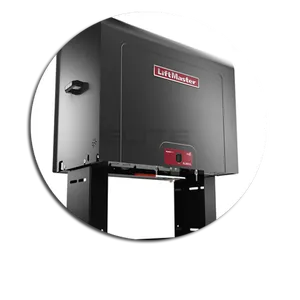
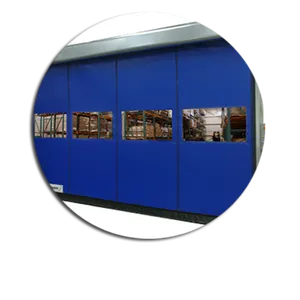
Commercial Garage Door Openers From Apex Overhead Door

If your commercial garage door opener is stalling, slow, or not responding, we diagnose and fix the real cause before it shuts down completely.

Get A Free Quote Now

Commercial Garage Door Openers

When a commercial garage door opener starts stalling, humming without moving, or responding inconsistently, it’s usually a sign the system is under strain. This is one of those issues that looks like a simple motor problem at first, but it typically traces back to how the entire door system is operating under load. Call Apex Overhead Door at (215) 942-2739 and we’ll take a look at what’s actually causing the breakdown.

When a commercial garage door opener starts stalling, humming without moving, or responding inconsistently, it’s usually a sign the system is under strain.

Why the Opener Isn’t the Only Problem

When an operator fails, it’s rarely just the operator itself.

When an operator fails, it’s rarely an isolated electrical issue. In many cases, the garage door has fallen out of balance or is binding somewhere along the track. That forces the motor to pull more amperage than it was designed for. At first, the change is subtle—slower movement, delayed response, or hesitation when starting. Over time, the added load begins affecting internal components that were never meant to carry that weight.

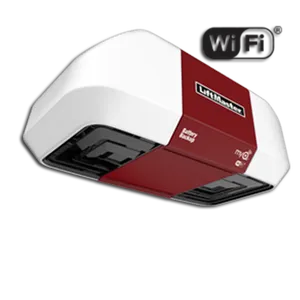
The opener ends up reacting to a mechanical problem, even though it’s the first thing showing symptoms. Unlike residential units, commercial operators often run on high-voltage 3-phase power. Our technicians are trained to troubleshoot electrical issues within the motor and the control station safely.

Ready to Upgrade Your Garage? Contact Us Today for Expert Garage Door Solutions!

At Apex Overhead Doors, we take pride in offering a full range of professional garage door services to meet all your needs. Whether you’re looking for a brand-new installation, expert repairs, or maintenance, our skilled team is here to help.

Get A Free Quote Now
  • Garage Door Installation
  • Garage Door Maintenance
  • Garage Door Panels
  • Garage Door Rollers
  • Garage Door Cable
  • Garage Door Opener
  • Garage Door Repair
  • Garage Door Springs

What Usually Starts Breaking First

When a commercial opener begins slowing down, the failure tends to follow a predictable path.

The motor starts carrying more load than it should

The operator is designed to guide motion, not lift the full weight of the door. Once the door becomes harder to move, the motor compensates by drawing more power. This often shows up as delayed starts or slower travel before anything completely stops working.

The drive system begins to wear under strain.

Chain, belt, or screw drives begin stretching, sagging, or binding. That added resistance creates uneven movement and increased noise during operation. Over time, this leads to inconsistent performance rather than a clean failure.

Internal components start reacting to the stress

The gear assembly begins to wear down under excess torque. In many systems, these gears are made from composite or nylon materials designed to fail before the motor does. At the same time, the capacitor—the component responsible for giving the motor its initial start—can weaken. When that happens, the system may hum or click without actually moving the door.

The control system loses consistency

As the strain spreads, limit switches and control signals begin drifting. The door may stop short, reverse unexpectedly, or fail to complete a full cycle. These issues rarely stay isolated once they begin affecting multiple components. If your system is slowing down or acting inconsistently, call us at (215) 942-2739 and we’ll figure out what’s putting strain on the operator.

Commercial operators are built for repeated use, but they still have defined limits.

Why These Systems Wear Out Faster Than Expected

Commercial operators are built for repeated use, but they still have defined limits.

Every system has a cycle rating. When that rating is exceeded consistently, internal components wear down faster than intended. Heat becomes a major factor. As the motor pulls more current under load, it generates additional heat. Eventually, this leads to thermal overload, where the system shuts itself down to prevent permanent damage.

Environmental conditions also contribute. Dust, debris, and moisture inside the operator housing increase resistance and accelerate wear on moving parts. What starts as normal operation gradually shifts into strain, and then into failure.

What Happens When the System Stays Under Load

Once the operator is consistently working against resistance, the failure spreads across the system.

Gear assemblies begin to strip under repeated stress. At that point, the motor may still run, but the door no longer moves. Capacitors weaken, making it harder for the motor to start under load. This is when humming or clicking becomes more noticeable. Eventually, the logic board becomes affected—either from voltage fluctuations or sustained strain. When both the motor and control system are compromised, the repair often shifts toward full operator replacement. At that stage, the system is no longer failing in one place—it’s failing as a whole.

When It Starts Affecting Daily Operations

There’s a point where this moves beyond a mechanical issue and starts affecting how the facility functions. Doors may become unreliable, stopping mid-cycle or failing to respond when needed. In some cases, they remain stuck open, creating a security concern. In others, they stay closed, blocking access for deliveries or equipment. Manual operation becomes the fallback, but commercial doors are not designed for frequent manual use. Chain hoists can be heavy and difficult to control, especially under load. When your operator fails, you’re left with the manual chain hoist. If your door is 14 feet tall and uninsulated steel, that’s hundreds of pounds of dead weight that can easily ‘run away’ on a staff member if the springs aren’t perfect.

A commercial opener failure often happens at the worst possible time—the end of a shift. If your door won’t close, your inventory and equipment are exposed. We prioritize Emergency Commercial Operator Repair to ensure your building is locked and secured before you head home. If your door is starting to interfere with daily operations, call us at (215) 942-2739 before it turns into a full system shutdown.

We Offer Garage Door Services In Pennsylvania and Surrounding Areas

  • Abington, PA
  • Ambler, PA
  • Bensalem, PA
  • Blue Bell, PA
  • Bristol, PA
  • Chalfont, PA
  • Doylestown, PA
  • Elkins Park, PA
  • Feasterville, PA
  • Glenside, PA
  • Hatboro, PA
  • Horsham, PA
  • Ivyland, PA
  • Jamison, PA
  • Jenkintown, PA
  • Langhorne, PA
  • Lansdale, PA
  • Levittown, PA
  • Morrisville, PA
  • Newtown, PA
  • North Wales, PA
  • Philadelphia, PA
  • Richboro, PA
  • Southampton, PA
  • Trevose, PA
  • Warminster, PA
  • Willow Grove, PA
  • Yardley, PA

Where Adjustments Start Making Things Worse

There’s a clear line between observing a problem and trying to compensate for it.

One of the most common responses is adjusting force settings to push the door through resistance. This doesn’t fix the underlying issue—it increases strain on already stressed components. Improper lubrication can also create problems. Using the wrong type of grease attracts debris, which accelerates wear inside the drive system. Electrical adjustments carry their own risks.

Miswiring controls or sensors can short out the logic board, turning a minor issue into a major repair. There’s also a safety concern that often gets overlooked. These systems operate on high voltage, and components like capacitors can retain charge even when power is disconnected. The drive system itself stores energy under tension. If that energy is released suddenly, the chain or drive mechanism can whip unexpectedly, creating a serious hazard. If your motor stops during a busy period but starts working again 20 minutes later, it’s likely hitting Thermal Overload. This isn’t a glitch; it’s a warning that your door is too heavy or your motor is undersized for your cycle volume.

Common Questions About Commercial Garage Door Openers

Why is the motor running but the door isn’t moving?

This typically points to stripped internal gears or a failure in the drive system.

Why does the opener hum without starting?

In many cases, the capacitor has weakened and can no longer provide the initial force needed to start the motor.

Why is the door moving slower than before?

That usually indicates the system is under strain, often from imbalance or mechanical resistance.

Can adjusting the force settings fix the problem?

That may temporarily move the door, but it increases strain and can lead to further damage.

Can you update my opener to meet modern safety standards?

Yes. Many older commercial operators lack monitored safety edges or photo-eyes. We can retrofit your existing system to comply with UL325 safety standards, reducing your workplace liability and ensuring the safety of your staff and equipment.

Restore the System Before It Fails Completely

When a commercial garage door opener starts showing signs of strain, it’s rarely an isolated issue—and it won’t correct itself over time. These patterns tend to spread across the system until multiple components begin failing at once. Addressing the cause early prevents the kind of damage that leads to full system replacement and operational downtime. Call Apex Overhead Door at (215) 942-2739 and we’ll get your operator working the way it should without creating new problems in the system.