
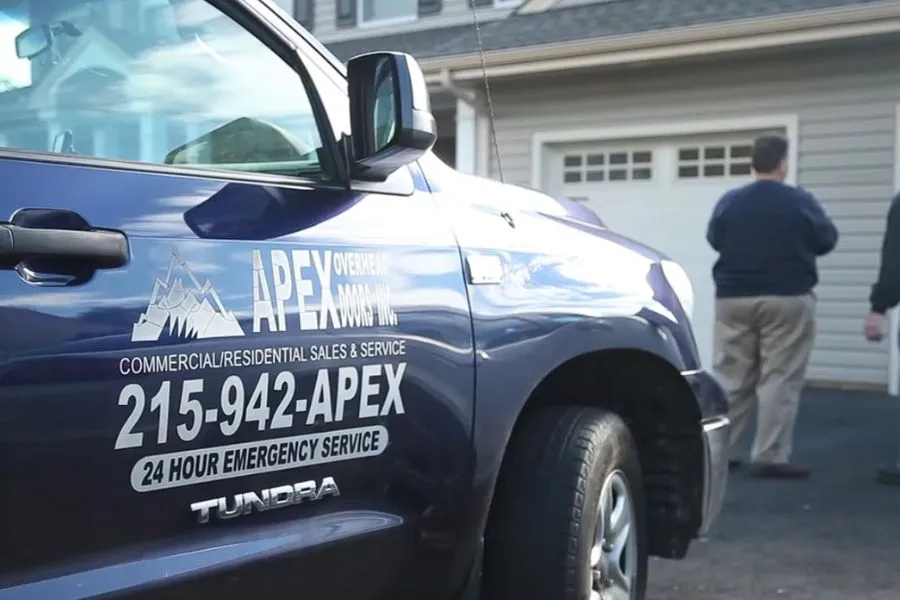
Garage Door Maintenance
If your garage door is getting noisy, slow, or inconsistent, routine maintenance can prevent breakdowns and extend the life of the system.
Get A Free Quote NowGarage Door Maintenance
Garage door systems don't fail all at once. It usually starts with a rhythmic grinding, a high-pitched squeak, or a door that suddenly feels heavier when you lift it manually. We usually see this when internal bearings are drying out or when the springs are starting to lose their lift.
This tends to show up in doors that still work, but don't feel the same from one cycle to the next. If you're noticing that shift, call Apex Overhead Door at (215) 942-2739 and we'll take a look before it turns into a repair.
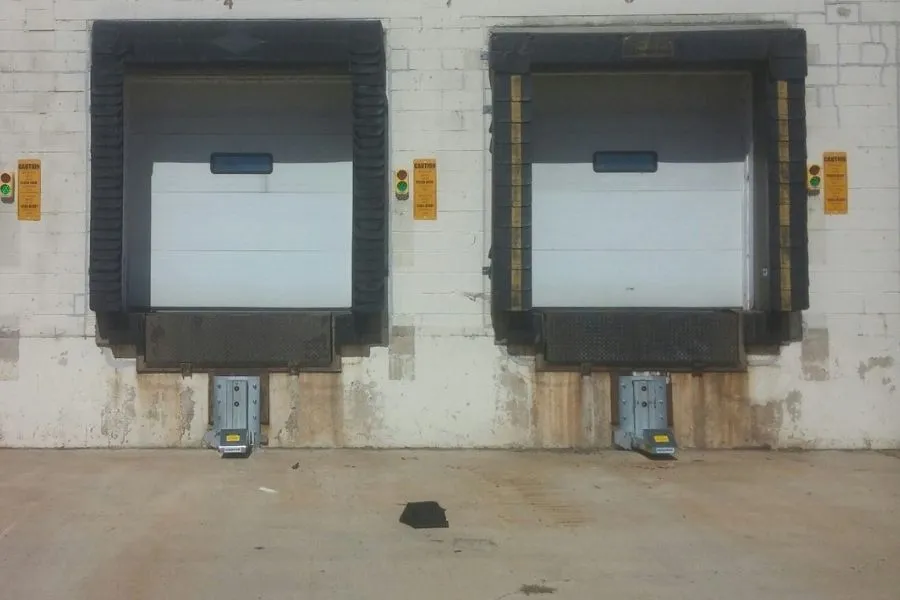
Why Garage Doors Drift Out Of Alignment Over Time
Garage Doors Are Constantly Cycling Under Load.
Every open and close adds wear, and over time that wear changes how the system carries weight. We usually see this when the door still operates, but something feels slightly off-movement isn't smooth, or the door hesitates in the first few inches. That's often the opener's force margin kicking in, where it senses extra resistance and pulses instead of running cleanly. In most cases, this begins when torsion springs above the door or extension springs along the track start losing their lift.
The cables themselves don't lose tension-but as the springs weaken, the cables go slack and stop guiding the door evenly. What happens next is increased friction across rollers, hinges, and bearings. This is one of those problems that looks minor until the system starts working against itself. Once this starts, it rarely reverses on its own. In areas like Southampton, environmental factors accelerate this. In Pennsylvania, the first freeze of the year often 'locks' unlubricated rollers in place, leading to stripped opener gears on the very first cold morning. Humidity increases friction on moving parts, while winter cold stiffens components and exposes weak points that were already developing.
What Maintenance Actually Corrects Before Parts Fail
Maintenance is about restoring how the system moves and carries weight-not just making it quieter.
Restoring balance and spring performance
The springs are what make the door feel light. When they begin to fatigue, the door shifts from balanced to heavy. We usually see this when the door feels noticeably heavier during manual operation or when the opener starts straining. The garage door opener is only designed to guide a balanced door-not lift a dead-weight door. Once that balance is lost, the opener takes on stress it wasn't built for. In most garages, the next failure point is the opener itself when this goes unchecked.
Reducing friction in moving components
Rollers, hinges, and bearings rely on smooth movement. When lubrication breaks down or contamination builds up, friction increases. High-pitched squeaking is usually dry roller bearings. Grinding is often metal-on-metal contact from worn components. Rhythmic thumping can point to a flat spot on a roller or a cable that isn't tracking correctly. What happens next is internal wear that basic lubrication can't correct. That's usually a sign the bearing surfaces are already breaking down, not just lacking surface lubrication. If your door has been getting louder or less smooth, call (215) 942-2739 and we'll check what's causing the resistance before it leads to failure.
Keeping alignment and hardware secure
Garage doors create vibration every time they move. Over time, that vibration loosens hardware-especially the lag bolts holding the track to the framing. We usually see this when the door begins tracking slightly off or cables don't sit evenly on the drums. Left alone, that misalignment builds into larger system issues.
Protect Your Warranty: Did you know most major manufacturers (like LiftMaster or Clopay) require annual professional maintenance to keep your warranty active? We provide the documentation you need to stay covered.
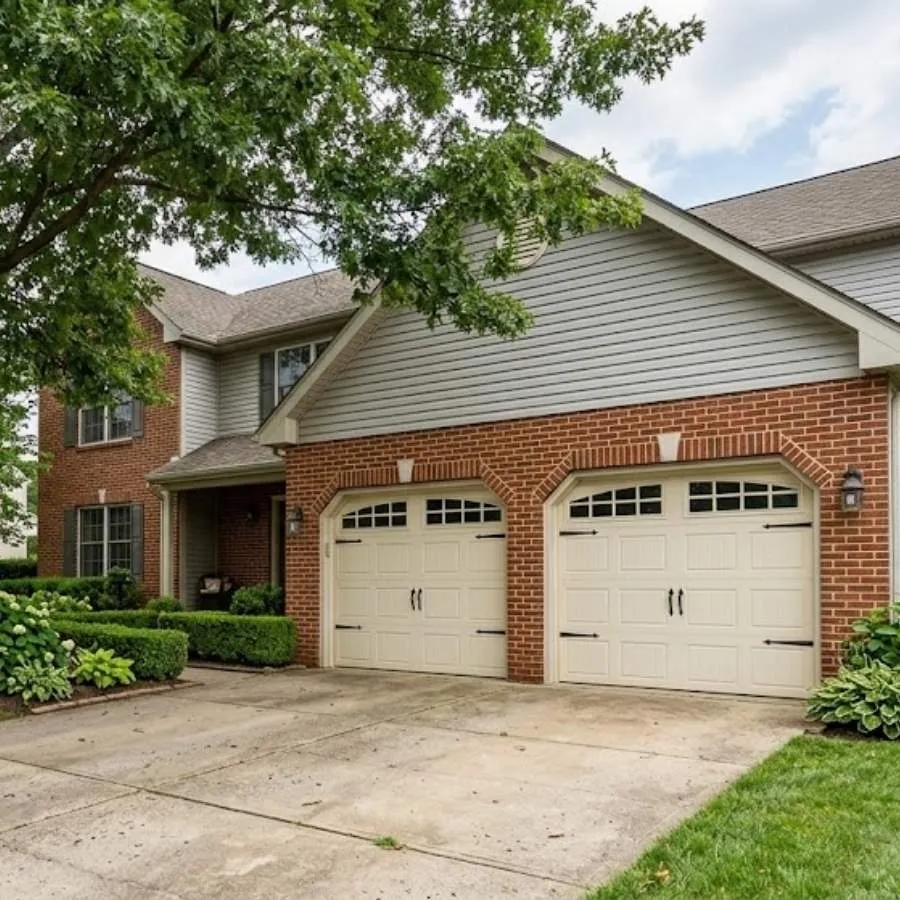
Where Maintenance Mistakes Tend To Cause Bigger Problems
A Lot Of Maintenance Issues Come From Using The Wrong Approach, Not Just Skipping It.
We usually see this when WD-40 or heavy grease is used on the system. WD-40 strips away existing lubrication and leaves components exposed, while thick grease attracts dirt and turns into grinding paste over time. Another common situation is increasing the force settings on the opener to compensate for a heavy door.
It might seem like it helps, but what happens next is accelerated wear inside the motor and drive system. There's also the high-tension side of the system. Springs, cables, and bottom brackets carry stored energy at all times. This is one of those problems that looks simple until someone tries to adjust it. Once that tension releases unexpectedly, the force happens instantly-and it's not something you can react to in time.
What Tends To Happen When Maintenance Is Skipped
When Maintenance Is Delayed, The System Doesn't Just Get Louder-It Becomes Unstable In Predictable Ways.
We usually see this when springs lose enough tension that cables begin to slack. What happens next is the cable can jump or "throw" off the drum, which causes the door to hang crooked or jam in place immediately. At the same time, rollers begin to seize. That increases pressure on the tracks, and in most garages, the next failure point is the track itself bending or spreading under that load.
The opener is also affected. When the door is no longer balanced, the motor starts straining under load it wasn't designed to carry. Over time, that leads to stripped nylon gears or full motor burnout. Once multiple components reach that stage, what would have been routine maintenance turns into a repair involving several parts at once.
When It Becomes Obvious Maintenance Has Been Skipped
There's Usually A Point Where The System Stops Feeling "Normal."
We often get calls when the door has gone from slightly noisy to something that affects daily use. This is one of those problems that looks manageable until the door starts stopping halfway or requires multiple attempts to close. What happens next is frustration, especially when the system becomes unreliable at the wrong time. Another common trigger is when the door becomes loud enough to be heard throughout the house, or when a visible gap appears in the spring.
At that point, the system has already moved beyond basic upkeep. If your door has reached that stage, call our experts at (215) 942-2739 and we'll help you get ahead of it before it turns into a larger repair. The Math of Maintenance: A routine tune-up costs a fraction of a snapped torsion spring or a burned-out motor. By spending a little now, you avoid the $500+ emergency repair later.
Common Questions About Garage Door Maintenance
How often should garage door maintenance be done?
Most systems benefit from annual maintenance, especially if the door is used multiple times a day.
What does maintenance actually include?
It involves checking balance, inspecting hardware, correcting alignment, and addressing wear before it leads to failure.
Can we just lubricate the door ourselves?
Basic lubrication helps temporarily, but it doesn't address internal wear, spring fatigue, or system imbalance.
What happens if we skip maintenance?
Wear continues to build until components begin failing, often affecting multiple parts at once.
Why does the door keep getting louder over time?
That usually means friction is increasing somewhere in the system, often from worn rollers, dry bearings, or alignment issues.
Stop a Breakdown Before It Starts.
If your door is starting to "groan" or "stutter," it's trying to tell you something. Call (215) 942-2739 for a comprehensive maintenance visit. We'll get your system back to "factory quiet" and give you a clear report on your door's health especially with tightening lag bolts or testing safety reverse. We've seen exactly how these patterns develop and how quickly they turn into repairs when they're left alone.