
Custom Garage Door Design | Apex Overhead Door
Upgrade your garage with a custom door designed for your home. Built for proper balance, structure, and long-term performance.
Custom Garage Door Design
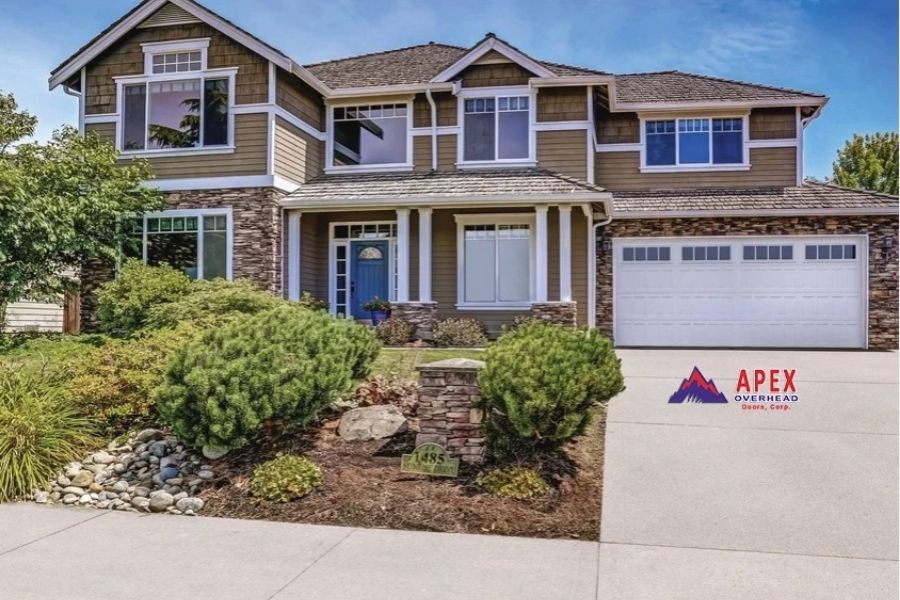
If your garage door starts to stand out more than the rest of the house—or you’re planning to change how the front of your home looks—a custom garage door is usually where that begins. We see this a lot in homes around areas like Hampton Estates, where the door becomes a focal point but the structure behind it wasn’t built to match the added weight.
This is one of those upgrades that looks straightforward until balance, support, and long-term performance come into play. Call Apex Overhead Door at (215) 942-2739 and we’ll walk through what actually works for your setup.
Why Custom Doors Change More Than Just Appearance
Custom garage doors aren’t just about style.
The moment you move away from a standard door, everything about the system changes. We usually see this when a standard setup gets replaced with heavier materials but nothing else in the system is adjusted to match. What happens next is the added weight increases the dead load on the system, requiring a recalibration of the counterbalance setup. A standard steel door might weigh 150 lbs, but a custom wood-overlay door can easily top 400 lbs. That’s like asking your garage door system to lift an extra refrigerator every time you leave for work.
Even when a custom door looks solid and well-built, the real issue is often hidden in how that weight is distributed. In many cases, the difference isn’t obvious until the door is in motion—that’s when the system starts showing strain. Springs, tracks, and openers all have to match that load exactly. If they don’t, the system starts compensating in ways that lead to early wear or failure. This is one of those problems that looks like a design upgrade but behaves like a mechanical change.
Ready to Upgrade Your Garage? Contact Us Today for Expert Garage Door Solutions!
At Apex Overhead Doors, we take pride in offering a full range of professional garage door services to meet all your needs. Whether you’re looking for a brand-new installation, expert repairs, or maintenance, our skilled team is here to help.
What Actually Has to Change for a Custom Door to Work
When a custom door is added, the design is only one part of it. What matters more is whether the system underneath is built to handle it. We usually see this when a heavier door gets installed but the rest of the setup stays the same. What happens next is the system starts compensating for weight it wasn’t designed to carry.
It starts with the spring system
The entire door depends on proper counterbalance. When the weight changes, the springs have to match it exactly. In most custom builds, standard springs aren’t enough. Heavier doors require high-cycle torsion springs rated well beyond standard use. If that’s not accounted for, the springs wear out faster or fail without much warning.
Then the door starts showing it structurally
This is where sagging begins. Without proper reinforcement—especially across the top section—the garage door starts to flex when it’s open. We usually see this in wider doors or overlay builds where struts weren’t added to support the span. What happens next is the door begins to “smile” in the center, and that affects how it tracks and seals.
The hardware is usually the next weak point
Standard hinges and rollers aren’t built for the added load. Over time, they start wearing unevenly or loosening under pressure. This is one of those problems that looks minor until the door starts moving differently. In most garages, the shift shows up as noise, uneven travel, or slight hesitation.
And the opener ends up carrying the extra load
Once the system is out of balance, the opener starts doing work it wasn’t designed to do. Once this starts, it rarely stays isolated. The opener strains, slows down, and eventually begins to fail because it’s compensating for a door that isn’t properly balanced.
Where Custom Doors Start Breaking Down
Custom doors tend to fail in predictable ways when the system isn’t built correctly.
We usually see this when standard springs are used on a heavier build. What happens next is early spring fatigue, which can lead to a sudden break. Moisture is another factor that gets overlooked. With layered materials or wood-on-steel designs, water can become trapped between surfaces.
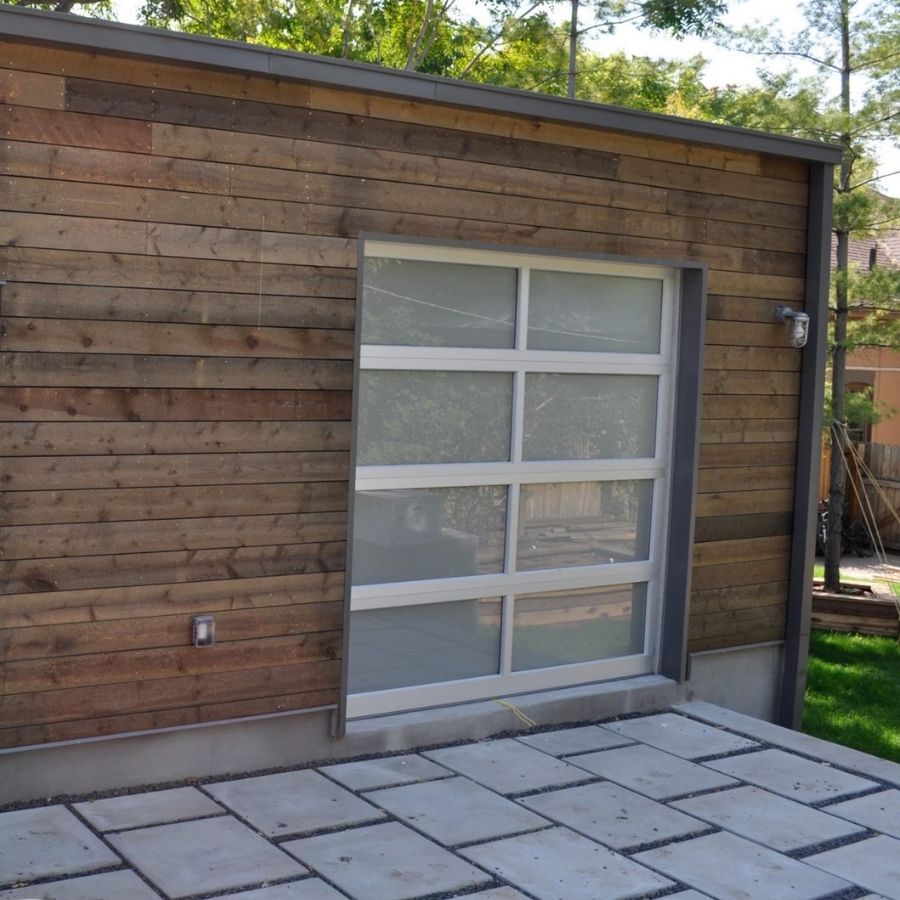
Over time, that leads to delamination—the separation of the outer layer from the base door—which shows up as peeling, warping, or soft spots. In most garages, the next failure point is the top section of the door. Without proper reinforcement, it starts to bow or flex, which affects how the door travels along the track. This is one of those problems that looks cosmetic at first but turns structural quickly.
What Happens When the System Can’t Handle the Weight
Once a custom door is out of balance, the rest of the system starts reacting to it.
Panels begin shifting under uneven load. Tracks experience added pressure. The opener works harder every cycle. We usually see this lead to stuttering movement, slow operation, or doors that don’t open evenly. What happens next is increased strain across the entire system. In more severe cases, springs fail completely or cables lose proper tension. When that happens, the door can drop under its own weight without warning or stop functioning altogether. This is one of those problems that doesn’t correct itself—and tends to escalate the longer it’s left alone.
We Offer Garage Door Services In Pennsylvania and Surrounding Areas
When It Becomes More Than a Design Issue
There’s a point where this stops being about appearance and starts becoming a safety and usability concern.
We usually hear this from homeowners near Street Road, where a door that looked right at first begins to feel heavier, uneven, or unreliable over time. The system may hesitate, make noise, or stop sitting correctly when closed. What happens next is often repeated adjustments or temporary fixes that don’t last. In some cases, the opener begins failing because it’s been overloaded for too long. Custom doors can weigh significantly more than standard ones, and without the right setup, that weight becomes a constant problem. If you’re at that stage, call us at (215) 942-2739 and we’ll take a look before it turns into a larger repair or replacement.
A custom door isn’t just a design choice—it’s an insulation choice. Many of our custom builds offer superior R-Values, turning your garage into a climate-controlled extension of your home. If your custom wood door faces south, the PA sun will be its biggest enemy. We recommend a high-quality UV-rated finish and an annual inspection to prevent the delamination and fading mentioned above.
Build the Door Around the System—Not the Other Way Around
A custom garage door should improve how your home looks without creating problems that show up later in how the system runs. If the system isn’t built to support the design, the issues show up quickly—and they don’t go away on their own. Call Apex Overhead Door at (215) 942-2739 and we’ll make sure your custom door is designed, supported, and balanced the right way from the start.