
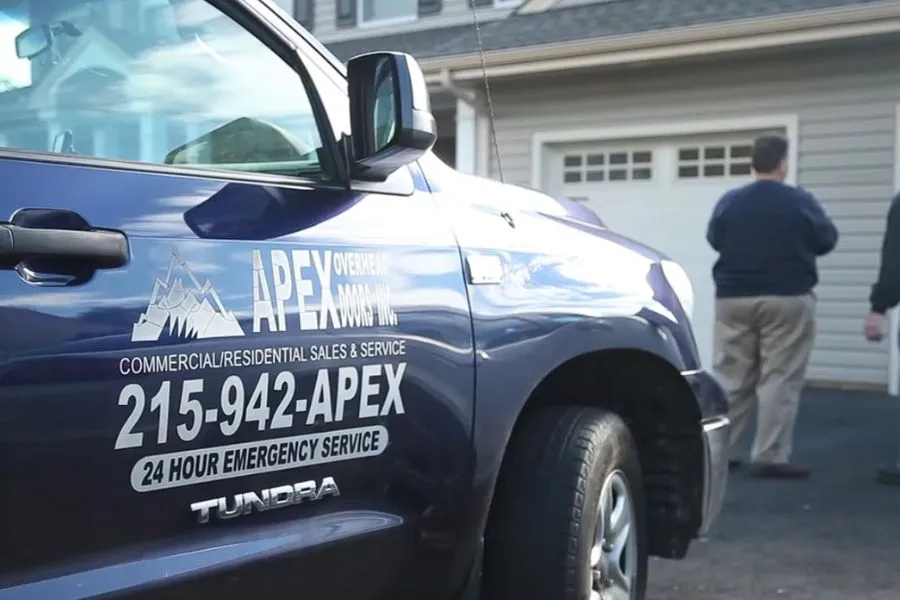
Residential Garage Doors
Garage door problems usually start small. We diagnose and fix residential garage door issues before they turn into major failures.
Get A Free Quote NowResidential Garage Doors
When a residential garage door starts acting differently, it usually doesn't fail all at once. In many homes, it begins with a slower movement, a new noise, or a door that doesn't feel quite as balanced as it used to.
These are early signs that something inside the system is changing. What looks minor at first is often the beginning of a larger issue. If your garage door is getting louder, heavier, or less predictable, call us at (215) 942-2739 and Apex Overhead Door will take a look before it turns into a full failure.
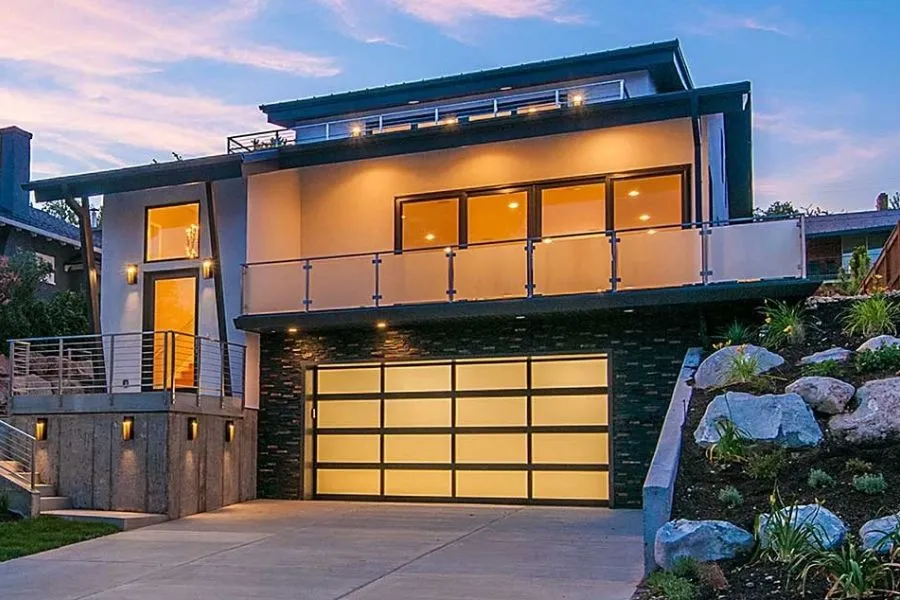
Why Garage Doors Don't Just "Break" All at Once
A residential garage door is a counterbalanced system.
The springs carry most of the weight, while the opener guides the movement. This is one of those problems that builds gradually. At first, the door may feel slightly heavier or move a little slower. From a mechanical standpoint, this usually begins when the springs start losing tension as they reach the end of their cycle life. The change isn't always obvious right away. One common pattern is what's called a single-side drop. One spring weakens before the other, causing the door to lift unevenly.
That uneven lift can allow the cable to jump the drum, which is when the door starts to rack or sit crooked. As the system falls out of balance, the opener begins compensating. The motor takes on more load than it was designed for. That's when internal components start to fail. The plastic drive gear inside the opener often strips first, which is why the motor runs but the door doesn't move. Once that imbalance starts, it doesn't stabilize on its own. The system continues operating under strain, and additional components begin to wear down.
What It Takes to Keep a Residential Door Working Properly
Fixing a garage door means restoring how the system works together, not just replacing a single part.
Restoring the Counterbalance System
The springs, cables, and drums control how the door lifts and lowers. When tension becomes uneven, the door no longer travels evenly through the opening. That's when you start to see one side lag or the door shift slightly as it moves. If that condition continues, the cable can slip off the drum, and the door can wedge itself diagonally in place.
Keeping Movement Controlled Through the Tracks
The door relies on rollers and tracks to guide its path. Behind the scenes, rollers are designed to spin freely as they move. When lubrication breaks down or debris builds up, they begin to drag instead of roll. That dragging force transfers into the track. Over time, tracks can be pushed outward or crimped, especially through the curved section, which affects how the door travels.
Preventing Strain on the Opener
The opener is not designed to lift a heavy door-it's designed to guide a balanced one. When the system is out of balance, the opener compensates. That's when gears wear down, chains or belts tighten under load, and internal components begin to fail. If your door is starting to feel heavier or sound different, call us at (215) 942-2739 and we'll figure out what's causing it before it spreads further.
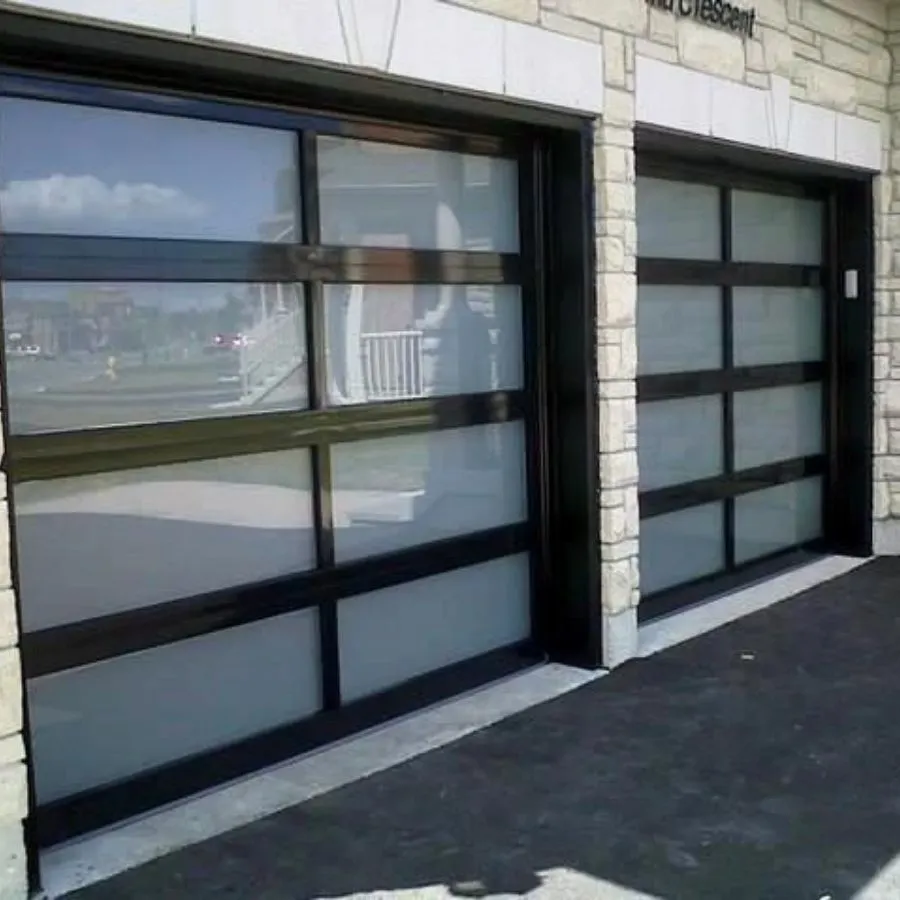
Where Residential Garage Doors Become Dangerous
Garage doors are one of the heaviest moving systems in a home.
A typical residential door can weigh over 150 pounds. This is one of those problems that seems manageable until something gives out. Springs don't just break randomly-they often fail during the first lift on a cold morning, when the metal is at its most brittle and under maximum tension. In our part of Pennsylvania, the transition from humid fall days to freezing winter nights is the most common time for older springs to snap. That's when homeowners hear the loud bang. When a spring fails, the door instantly loses its counterbalance.
The full weight shifts into the cables and the opener. That's when secondary risks appear. A cable can snap or slip, or the door can twist in the opening. There are also pinch points between sections and rotating components that can cause injury during operation or attempted repairs. Any part connected to spring tension carries stored energy. If that energy is released improperly, it happens quickly and without warning.
How Small Issues Turn Into Major Repairs
Most garage door problems follow a predictable progression.
It often starts with something minor-noise, hesitation, or uneven movement. Over time, that leads to rollers wearing down or components drifting out of alignment. As resistance builds, the opener works harder to complete each cycle. From there, the strain moves into the structure of the door. Panels begin to take on stress they weren't designed for. This is where V-shaped cracks can form near the top section. If you see small cracks forming near the center of your top door panel, stop using the opener immediately. This is a "V-crack," and it means your opener is trying to tear the door apart because the springs aren't doing their job.
That happens because the opener is pulling against a door that has effectively become dead weight due to failing springs. If the issue continues, the tracks begin to deform, and the door may eventually come off track. In many cases, the next issue doesn't appear where the problem started. It shows up in the part that has been compensating the longest. Beyond mechanics, your garage door is up to 30% of your home's curb appeal. We ensure your door isn't just quiet, but that the panels are aligned and the weather seals are crisp, keeping your home looking its best.
When It's Time to Call Before It Gets Worse
There's usually a moment where the system stops being reliable.
You might hear a loud bang, or the door suddenly feels too heavy to lift. In other cases, it gets stuck halfway or doesn't respond at all. Another common trigger is what homeowners describe as "ghost behavior." The door may reverse unexpectedly or refuse to stay closed because the system detects resistance or misreads sensor input. At this stage, the system is no longer operating predictably. If your garage door isn't opening, closing, or moving the way it should, call us at (215) 942-2739 and we'll help you get it working safely again.
Common Questions About Residential Garage Doors
Why does my garage door feel heavier than it used to?
That usually means the springs are losing tension. The door is no longer properly balanced, so more weight is being handled by the opener or by you.
What causes that loud bang in the garage?
This is typically a torsion spring breaking under tension, often during the first lift on a cold morning.
Why does my opener run but the door doesn't move?
This often means the internal drive gear has stripped. The motor still runs, but it's no longer transferring movement to the door.
Is it safe to keep using the door if it's crooked?
A crooked door usually indicates uneven tension or a cable issue. Continuing to operate it can cause further damage or lead to the door coming off track.
What's the right way to maintain a garage door?
Most maintenance involves lubricating moving parts like rollers and hinges. Tracks should be kept clean but not greased, since lubricant attracts debris and creates additional wear.
Let's Get Your Garage Door Back to Working Normally
If your residential garage door is making noise, moving unevenly, or not responding the way it should, it's usually a sign the system is already under stress. Don't risk a DIY spring repair. With 150+ pounds of weight and high-tension steel, garage door service is best left to the pros. Call (215) 942-2739 for a same-day safety inspection.