
Commercial Garage Doors | Apex Overhead Door
Commercial garage door issues can stop operations fast. We diagnose and fix problems before they lead to downtime, damage, or safety risks.
Commercial Garage Doors
When a commercial garage door starts acting differently, it rarely fails without warning. In many facilities, it begins with slower travel speed, a stuttering motion during operation, or a door that doesn’t respond the way it used to.
We usually see this become a problem during busy hours—when a door hesitates or stops and everything behind it starts backing up. If your door is slowing down, getting louder, or not responding consistently, call Apex Overhead Door at (215) 942-2739 before it turns into downtime or a full failure.
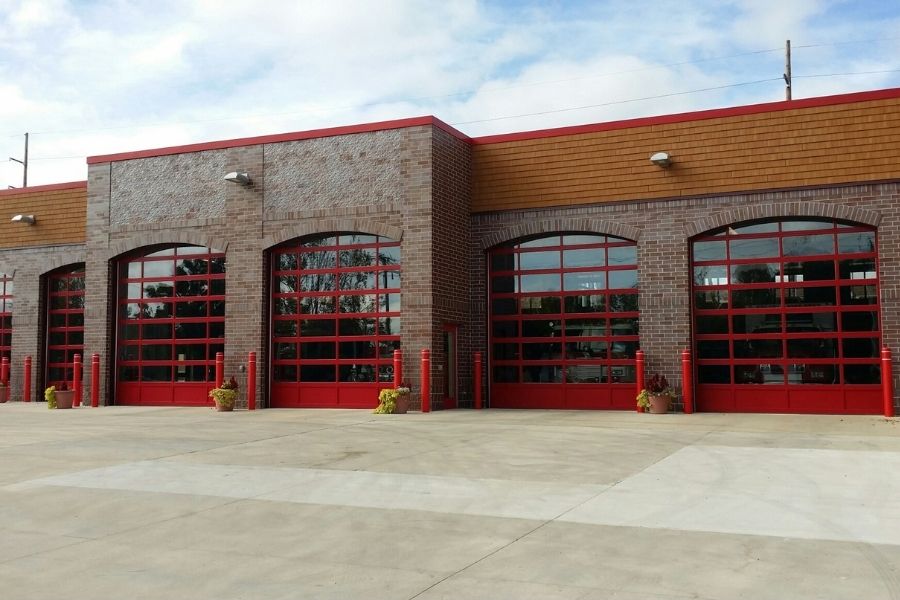
Why Commercial Doors Break Down Under Load
Commercial systems are engineered for high-frequency cycles, often exceeding 25,000 to 100,000 operations.
That level of use puts constant demand on the counterbalance system. From a mechanical standpoint, most failures begin when torsion springs start losing tension as they reach the end of their cycle life. In many facilities, this shows up as a door that still operates—but doesn’t move the same way it used to. It may hesitate, lift unevenly, or require more force to complete a cycle. One pattern we see is uneven tension across the shaft. When one side weakens first, the door begins to rack, and the cable can jump the drum. That’s when the door binds or sits crooked in the opening.
As that imbalance continues, the operator begins compensating. Instead of guiding the door, it starts handling the load. We usually see the operator pulling higher amperage than it was designed for. That added torque leads to internal wear. The operator motor engages, but the drive chain or internal gears have stripped, which is why the door no longer moves. Once this starts, it doesn’t stabilize. The system continues operating under strain until additional components fail.
Ready to Upgrade Your Garage? Contact Us Today for Expert Garage Door Solutions!
At Apex Overhead Doors, we take pride in offering a full range of professional garage door services to meet all your needs. Whether you’re looking for a brand-new installation, expert repairs, or maintenance, our skilled team is here to help.
What Keeps a Commercial Door System Running
Keeping a commercial garage door working properly means maintaining how it handles weight, alignment, and control across every cycle.
Managing the Counterbalance System
The springs, cables, and drums carry the full weight of the door. When that balance shifts, the door no longer travels evenly. One side may lag or pull ahead, which puts stress across the entire system. If that condition continues, the cable can slip off the drum, and the door can wedge diagonally, stopping operations immediately.
Keeping Sectional and Rolling Doors Moving Correctly
Commercial doors come in different forms—sectional doors that move along tracks, and rolling steel doors that coil into a barrel. In sectional systems, rollers guide the door through the track. In rolling steel doors, the curtain moves through guides and wraps around a barrel. In both cases, alignment matters. We usually see problems when movement becomes restricted. In sectional doors, rollers begin dragging. In rolling steel systems, the curtain can bind in the guides. We also see impact damage from forklifts or equipment. A bottom section or slat can be dented just enough to pull the door out of alignment, which affects how it travels every cycle.
Protecting the Operator From Overload
The operator is one of the most expensive components in the system. When the door is out of balance, the operator compensates. Over time, that leads to higher amperage draw and internal wear. In many cases, the first visible sign is the motor engaging without moving the door. That’s typically the result of stripped internal components caused by excessive torque. If your system is showing early signs of strain, call us at (215) 942-2739 and we’ll identify what’s causing it before it spreads.
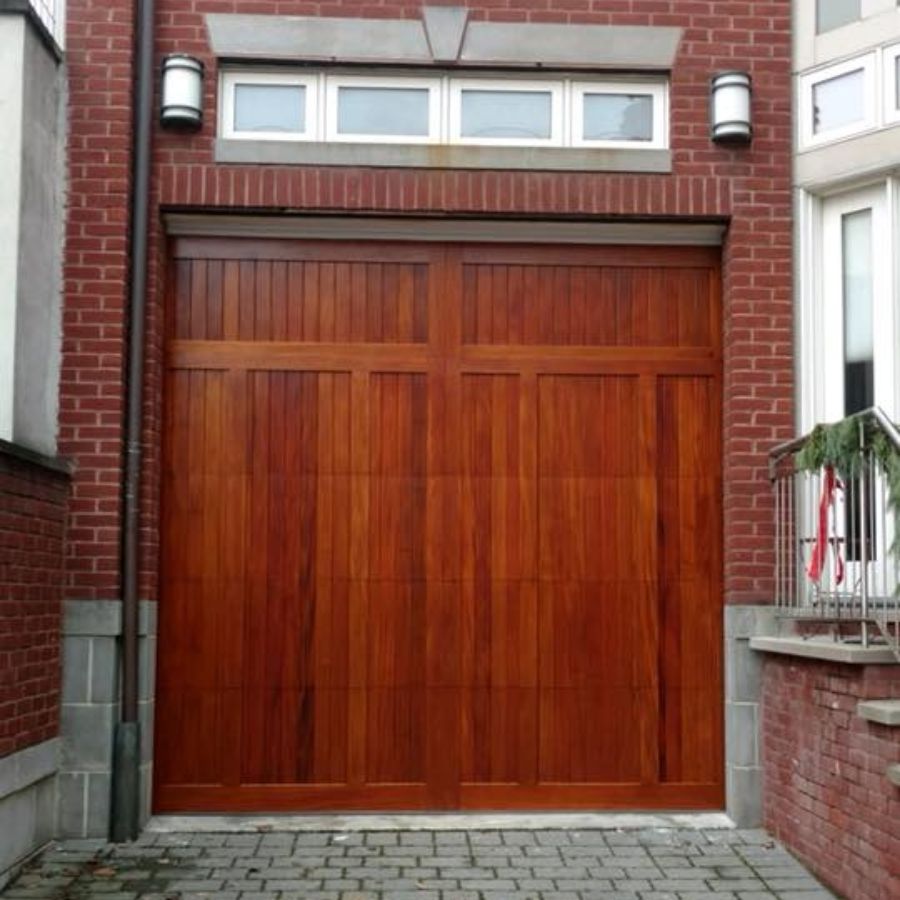
Where Commercial Doors Become a Liability
Commercial doors are not just large—they’re under constant tension and often connected to high-voltage systems.
This is one of those problems that seems manageable until something gives out. Depending on the system, these doors can weigh anywhere from 500 to over 2,000 pounds. If a cable fails or tension is lost, that weight can shift or drop suddenly. We usually see the highest risk in high-cycle tension systems. Torsion springs store a significant amount of energy, and improper handling can lead to serious injury.
There are also electrical risks. Many commercial operators run on commercial-grade voltage, including 3-phase systems. Wiring issues or improper adjustments can affect how the operator behaves under load. This is where in-house maintenance often reaches its limit. Basic cleaning and lubrication are safe, but anything involving springs, cables, or electrical components carries risk.
How Small Problems Turn Into Operational Downtime
Commercial door issues don’t stay small for long.
It often starts with a door that still works—but not the same way. Slight hesitation, increased noise, or uneven movement are early signs. Over time, that resistance builds. The operator works harder, components wear faster, and the system begins to strain. In many facilities, the next issue shows up in operations. Deliveries get delayed, trucks are waiting, and access to the building becomes a bottleneck.
We usually see the failure spread into other components. Tracks can shift or crimp, cables can fray, and the door can eventually come off track. A door that won’t close fully creates another problem. Inventory, equipment, and the building itself are left exposed.In most cases, the failure doesn’t happen where it started. It shows up in the part that has been compensating the longest.
We Offer Garage Door Services In Pennsylvania and Surrounding Areas
When It Becomes an Immediate Problem
There’s usually a point where the door stops being reliable enough to ignore.
You might see the door stuck open at the end of a shift, or unable to open when deliveries arrive. In some cases, it stops mid-cycle and leaves the opening partially exposed. We usually see this when the system has been operating under strain for a while. At this stage, the issue becomes urgent. Operations are interrupted, and security becomes a concern. If your commercial door is no longer working consistently, call us at (215) 942-2739 and we’ll help you get it back to operating safely before it affects your facility further.
Beyond the door itself, we inspect and repair dock bumpers, levelers, and seals. If your door was hit by a forklift or a backing truck, we can often replace individual slats or sections to get you back in operation without a full replacement.
Common Questions About Commercial Garage Doors
Why is my commercial door moving slower than usual?
This is usually a sign of increased resistance in the system, often caused by worn components, debris in the tracks or guides, or loss of spring tension.
What causes the door to get stuck halfway?
We usually see this when the system is out of balance or when the operator detects excessive resistance and stops mid-cycle.
Why does the motor run but the door doesn’t move?
This typically means the internal drive components have failed. The operator is engaging, but the mechanism that transfers movement has been damaged due to excessive load.
Is it safe for staff to try to fix the door?
Basic inspection and lubrication are safe, but anything involving high-cycle tension components or commercial-grade voltage systems should not be handled without proper equipment and training.
Are our doors compliant with safety standards?
We inspect and test your Safety Edges and Photo Eyes to ensure they meet UL325 standards. In a high-traffic commercial environment, a failing safety sensor isn’t just a nuisance—it’s a massive liability. Basic lubrication is fine, but never attempt to adjust commercial springs or high-voltage operators. A 2,000lb door under high-cycle tension is a lethal risk if a cable snaps or a bracket is loosened incorrectly.
Stuck Open at the End of a Shift?
If your commercial garage door is getting slower, louder, or less reliable, it’s usually a sign the system is already under stress. A commercial door that won’t close is a major security breach. We prioritize Emergency Commercial Repairs to ensure your inventory and facility are secured before your team heads home. Call (215) 942-2739 for an industrial-grade diagnostic. Whether it’s a 2,000lb rolling steel door or a high-speed sectional, we’ll get your operations moving again.